
The Future of Restorative Dentistry
Exploring Future Trends in Advanced Restorative Dentistry
As technology advances, patients benefit from faster and more comfortable treatments. Dental professionals use updated methods to restore the function and appearance of your teeth. These new approaches support your oral health with minimal stress or discomfort. Learning about the future trends in restorative dentistry helps you make informed decisions about your oral care. Elite Dental of South Bend provides these advanced treatments right here in South Bend, IN. We continually update our methods to bring you the best possible outcomes.
What Is Restorative Dentistry?
Restorative dentistry focuses on repairing or replacing damaged teeth. Dentists use treatments like fillings, crowns, and bridges to restore the function of your bite. These procedures help you chew properly and maintain proper jaw alignment. Advanced restorative dentistry aims to preserve as much natural tooth structure as possible. Modern techniques ensure the repaired teeth blend naturally with your smile.
Future Trends in Restorative Dentistry
Digital Dentistry and 3D Printing
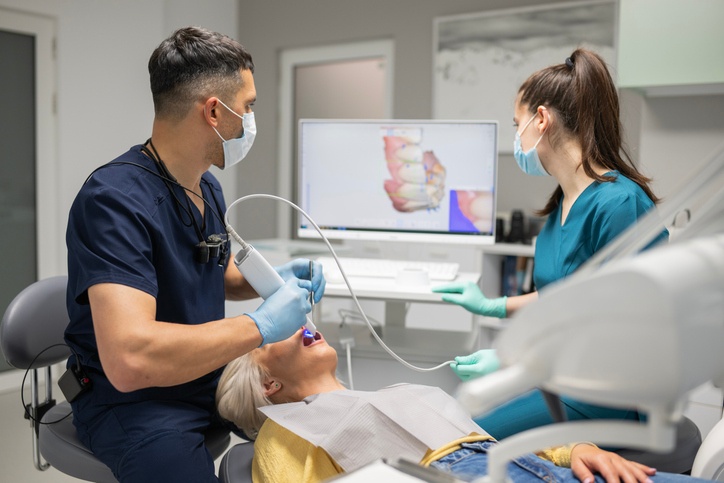
The Future of Dental Restoration relies heavily on digital technology. Dentists now use digital scanners instead of messy impression materials. These scanners create a precise digital model of your mouth in minutes. Dental teams send this digital model to CAD/CAM software to design your custom restoration. 3D printers then manufacture crowns, bridges, and other dental devices directly from the design. This process reduces wait times and improves the accuracy of the final product. You receive a precise fit and a natural appearance without traditional physical molds.
Laser Techniques and Minimal Invasiveness
Dental practices increasingly use lasers to treat damaged teeth. Laser techniques offer a precise way to target decay while leaving healthy tooth structure intact. Dentists use these tools to prepare teeth for fillings or crowns with minimal vibration. This approach reduces the need for traditional drills. Magnification tools help dentists see microscopic details during these procedures. Smaller instruments allow for highly targeted repairs. Minimal invasiveness supports faster recovery times and reduces overall discomfort. Patients appreciate the quiet and calm environment that laser dentistry provides.
AI-Assisted Planning and Diagnostics
Artificial intelligence changes how dentists plan treatments. AI tools quickly analyze dental scans, X-rays, and patient records. These programs identify small cavities or structural issues early. Early detection allows dentists to treat problems before they require extensive repairs. AI also assists in designing complex restorations. The software suggests the optimal shape and size for a new crown or bridge. This technology improves the consistency of treatment planning. Dentists use these AI recommendations to achieve highly predictable results for every patient.
Regenerative and Biomimetic Dentistry
Biomimetic dentistry focuses on copying the natural properties of your teeth. Dentists use specific materials and techniques to mimic how real teeth look and function. Traditional repairs sometimes use very stiff materials. Biomimetic approaches use flexible materials that handle biting forces like natural enamel. This method helps prevent future cracks or stress fractures in the treated tooth. Regenerative techniques also encourage the body to heal itself. Some treatments stimulate natural tissue growth within the tooth. These innovations in dental restorations help your repairs last longer.
Modern Bioactive Materials
Dental material science continues to improve rapidly. Dentists now use modern bioactive materials for fillings and crowns. These materials include nanocomposites, zirconia ceramics, and bioactive resins. Bioactive resins interact closely with your natural tooth tissue. These minerals strengthen the remaining tooth structure over time. Zirconia ceramics offer incredible durability and a lifelike appearance. These advanced materials mimic natural enamel and fit your smile better than older materials.
Traditional vs Modern Dental Restorations
Dental treatments have evolved significantly over the past few decades. Modern techniques offer several distinct advantages over older methods:
- Materials – Older treatments used metal amalgams for fillings. Modern restorations use tooth-colored composites and ceramics.
- Preparation – Traditional methods often required removing a large amount of tooth structure. Modern techniques prioritize keeping healthy enamel intact.
- Impressions – Dentists previously used putty to create physical molds of your teeth. Current practices use digital scanners for a much easier process.
- Manufacturing – Labs used to create crowns by hand over several weeks. Dental offices now use 3D printing to create restorations quickly.
What Are the Benefits for Patients?
Advanced restorative dentistry provides many direct advantages for your oral health. You can expect a smoother process from diagnosis to final treatment, as well as other benefits:
- Comfort – New tools reduce vibration and noise during procedures. This helps you remain calm during your appointment.
- Speed – Digital workflows cut down the time required to design and place restorations. You spend less time in the dental chair.
- Aesthetics – Modern ceramics match the exact shade of your surrounding teeth. Your repairs remain completely unnoticeable.
- Durability – Biomimetic materials handle the daily stress of chewing perfectly. You receive a long-lasting solution for damaged teeth.
Frequently Asked Questions
Who Is a Good Candidate for Restorative Dentistry?
Many people can benefit from these modern dental treatments. Dentists evaluate your specific needs to recommend the best options:
- Cavity Patients – Individuals with tooth decay need fillings to stop the damage. Modern composites restore the tooth structure effectively.
- Trauma Victims – People with chipped or broken teeth require prompt repairs. Crowns and bonding protect the damaged area.
- Older Adults – Seniors dealing with worn enamel often need restorative care. These treatments rebuild the bite and improve chewing function.
- Missing Teeth – Anyone who is missing one or more teeth may need a bridge or implant. These restorations prevent surrounding teeth from shifting.
How Long Do Dental Restorations Last?
The lifespan of a dental restoration depends on the material used and your oral hygiene habits. Modern crowns and bridges can last 10 to 15 years with proper care. Brushing twice a day and flossing daily helps maintain your teeth and your restorations. Regular checkups allow your dentist to monitor your condition.
Does Insurance Cover Restorative Dentistry?
Most dental insurance plans cover a portion of restorative dentistry procedures. Insurance typically covers treatments deemed medically necessary to maintain oral health. Coverage amounts vary based on your specific policy and provider. Our office staff will help you review your benefits. We explain all costs before beginning any treatment.
Support Your Oral Health Today
Maintaining a healthy smile requires addressing tooth damage promptly. Elite Dental of South Bend offers a wide range of restorative services to repair your teeth. Dr. Terry Mahoney and our staff use modern technologies to support your oral health. You deserve a smile that looks great and functions perfectly. Call our office today to schedule an appointment.