
Why Do Gums Bleed While Brushing and How to Stop It
Know Why Gums Bleed While Brushing and How to Fix It
Many patients ask about the common causes of bleeding gums during their routine visits. Bleeding often signals an underlying oral health issue that requires attention. Elite Dental of South Bend in South Bend, IN, offers thorough dental care to keep your smile healthy and bright. We’ll help you understand why your gums bleed and share actionable steps to improve your daily oral hygiene routine.
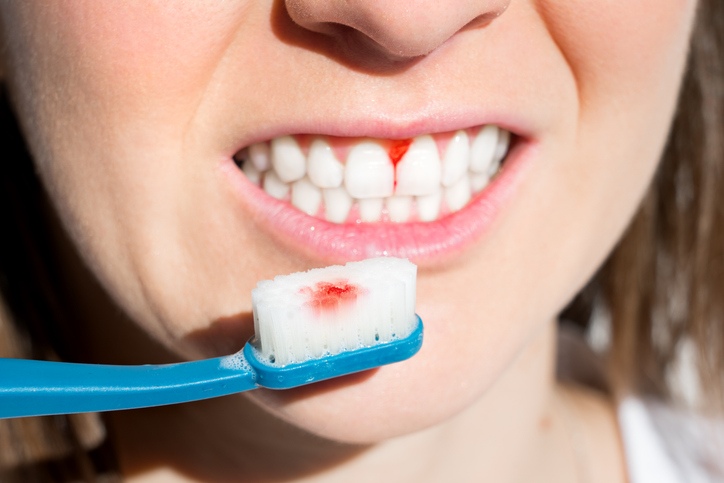
Why Do Gums Bleed While Brushing?
Many people wonder why their gums bleed when they brush their teeth. Generally, plaque buildup along the gumline is what triggers this reaction. The bacteria in plaque irritate the sensitive gum tissue, and this irritation leads to inflammation and tenderness. Brushing disrupts these inflamed areas and causes minor bleeding. Proper daily brushing and flossing help remove this plaque and protect your smile.
Common Causes of Bleeding Gums
Plaque accumulation stands as the primary culprit for many causes of bleeding gums, but several other factors contribute to this condition. Consider these frequent triggers for tender gums:
- Gingivitis and Gum Disease – Early gum disease causes inflammation and swelling. This makes your gums much more susceptible to bleeding during normal brushing.
- Aggressive Brushing Habits – Brushing too hard damages delicate tissue. Using a toothbrush with stiff bristles can damage the gums over time.
- Irregular Flossing Routine – Skipping flossing leaves food particles trapped between teeth. This debris irritates the gums and causes bleeding when you finally do floss.
- Pregnancy and Hormone Changes – Hormonal fluctuations increase blood flow to the gums. This heightens sensitivity and often leads to minor bleeding.
What Deficiency Causes Bleeding Gums?
There are several potential reasons why a particular deficiency of key vitamins or minerals can lead to bleeding gums. Particularly among them is a lack of vitamin C, which significantly weakens your gum tissue. This essential vitamin helps your body maintain healthy connective tissues and blood vessels. Furthermore, vitamin K deficiency also affects normal blood clotting. Eating a balanced diet rich in fresh fruits and vegetables supports strong gums, providing the nutrients your body needs to maintain oral health.
Is It Bad If Your Gums Bleed While Brushing?
Is it really bad if your gums bleed while brushing? There is some leeway here. Occasional bleeding after starting a new flossing routine is perfectly normal. However, persistent bleeding points to ongoing inflammation or gum disease. If you’ve got healthy gums, then they should not bleed during regular, gentle brushing. Continuous bleeding indicates you should evaluate your oral care habits and consider professional periodontal care.
How to Stop Bleeding Gums While Brushing
Small adjustments to your daily habits often yield ideal results for your long-term oral health. A proper routine reduces gum sensitivity and keeps your mouth fresh. Be sure to implement these simple practices to protect your gums:
- Use Soft Bristle Brushes – Soft bristles clean your teeth effectively without scratching the gums. Dentists recommend replacing your brush every three months.
- Apply Gentle Pressure – Light circular motions remove plaque better than aggressive scrubbing. Let the toothbrush do the work rather than forcing it against your teeth.
- Floss Once a Day – Regular flossing removes hidden plaque before it hardens into tartar. Consistent flossing eventually stops the bleeding by reducing inflammation.
Common Mistakes That Make Gums Bleed Worse
Certain habits actively harm your gum tissue and worsen existing inflammation. Identifying these errors prevents further damage to your mouth. Avoid these frequent missteps in your dental care routine:
- Using Old Toothbrushes – Frayed bristles fail to clean teeth properly and harbor bacteria. A worn toothbrush requires more pressure to work, which harms your gums.
- Skipping Dental Cleanings – Plaque hardens into tartar that you cannot remove at home. Professional cleanings safely eliminate this buildup and reduce gum irritation.
- Rushing Your Routine – Brushing for less than two minutes leaves dangerous plaque behind. A thorough cleaning ensures you reach every surface of your teeth.
When Should You See a Dentist?
Home care cannot solve every oral health issue. Seek help from a dental professional if you notice these signs:
- Chronic Daily Bleeding – Gums that bleed every time you brush require professional evaluation. This symptom often indicates advancing gum disease.
- Severe Gum Pain – Healthy gums should feel comfortable throughout the day. Throbbing pain or extreme tenderness signals an active infection.
- Loose Adult Teeth – Advanced gum disease destroys the bone supporting your teeth. Loose teeth represent a dental emergency that needs immediate attention.
Prevention Tips for Healthy Gums
Proactive care stops problems before they require extensive dental work. Excellent oral hygiene requires consistent daily effort. Follow these essential guidelines to keep your smile in great condition:
- Brush Twice a Day – Morning and evening brushing keeps harmful bacteria levels low. Use fluoride toothpaste to simultaneously strengthen your enamel as well.
- Eat Nutritious Foods – Crunchy vegetables help clean your teeth naturally as you chew. Limit sugary snacks that feed the bacteria responsible for plaque.
- Drink Plenty of Water – Water washes away food particles and neutralizes harmful acids. Staying hydrated also ensures you produce enough protective saliva.
Schedule Your Next Dental Visit Today
Healthy habits at home keep your smile bright, and professional support ensures your teeth stay in excellent condition for years to come. Dr. Terry Mahoney and our dedicated staff provide thorough treatments tailored to your unique needs. We offer general, restorative, and cosmetic services to help you maintain optimal oral health. Call Elite Dental of South Bend today to schedule an appointment for your entire family.